
The Cost of the Retreat
Nine Perfect StrangersThe wellness program’s illegal methods produce criminal scrutiny, disrupted lives, and an enduring question about the difference between benefit and harm.
increasing Bearing strength in each event
 decreasing
Bearing strength in each eventdecreasingTerms and Guarantees

The Contractual Frame
A marketable promise
Tranquillum House advertises individualized care, wellness, and transformation. Guests complete invasive questionnaires and surrender personal devices upon arrival.
Hidden conditions
The resort’s authority to search bags and enforce unusual rules is buried in paperwork. Formal disclosure does not make the guests aware of the later drug protocol.
Research as Justification
Evidence and Overreach
Masha’s conviction
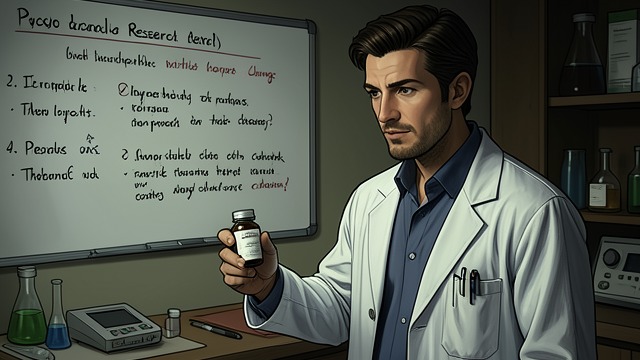
Masha studies psychedelic research and believes controlled substances can accelerate therapeutic change. Yao checks doses and initially trusts the scientific framing.
A crucial omission
They do not ask the guests for consent. Their clinical language and professional confidence conceal a basic ethical failure.
The Crisis Becomes Public

Authorities Arrive
Police investigation
After Frances strikes Masha to stop the attack on Heather, police and paramedics arrive. Officers discover illegal drugs on the premises and take statements from all nine guests.
Accounts are difficult
The guests try to explain confinement, hallucinations, smoke, and an unlocked door. Their experience sounds implausible in a conventional police interview, even though the danger was real to them.
Yao’s Sentence

Legal Consequences
Responsibility shared unevenly
Yao pleads guilty for his role and receives a suspended jail sentence. Masha insists to police that she alone devised and carried out the protocol, but Yao had helped test and check the doses.
Professional consequences
Yao is barred from working in health care. The legal outcome forces him to confront how reasonable the plan felt while he was inside Masha’s influence.
A Book and New Programs

The Story Is Republished
Masha’s public account
Masha releases a book presenting the program as a personal development method and describes her jail time as transformative.
The cycle may continue
She denies current illegal activity while advertising further programs. The ending offers no assurance that public exposure has ended the market for dramatic promises of change.
Before the retreat begins
One year before the guests arrive
Morning after the simulated fire
Within months after the retreat
Five years after the retreat
